
The Digital Fairness Act 2026: What Influencers & Brands Must Know Now
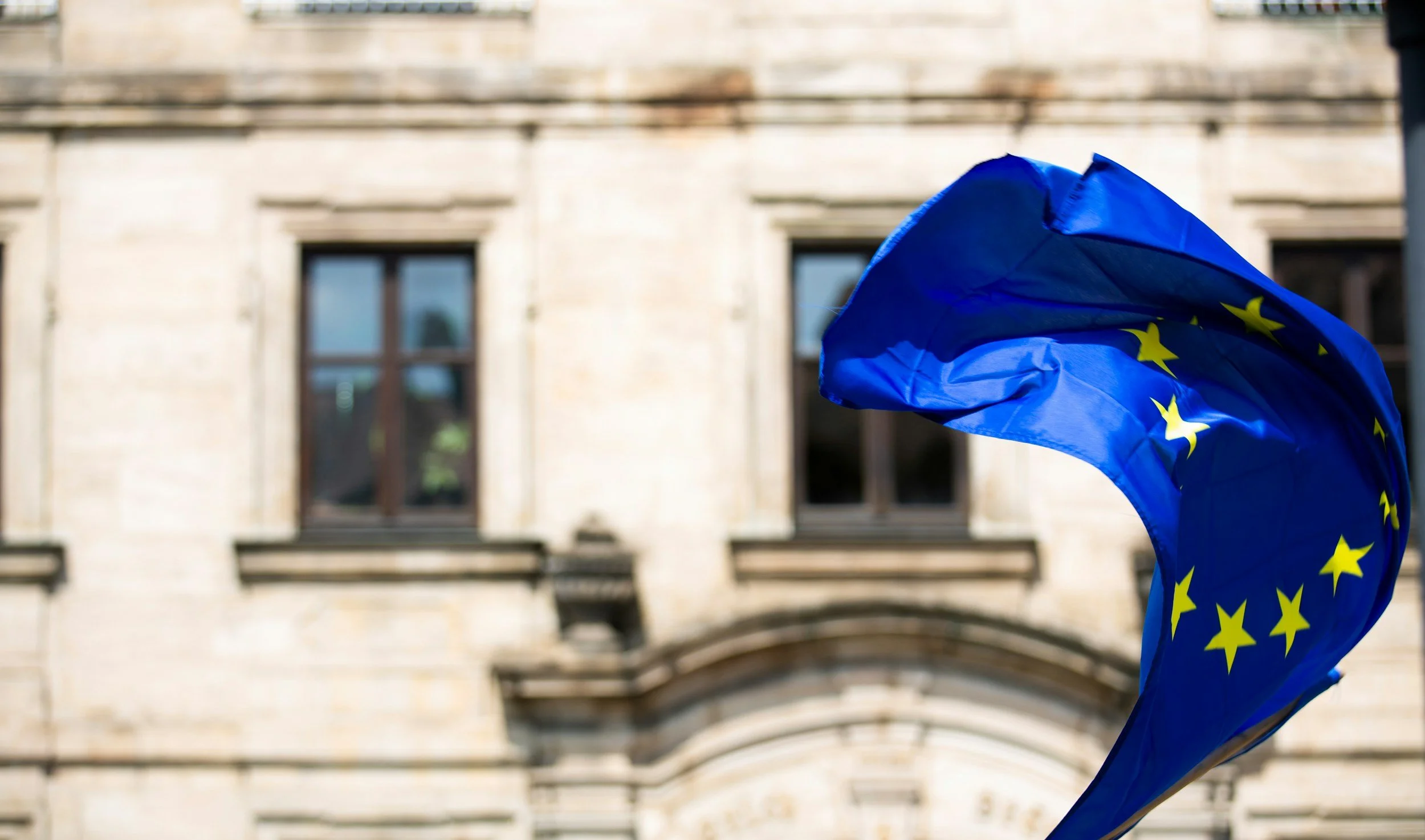
The most consequential influencer law in a decade is coming from the EU,here's what you need to do to prepare.
Influencer marketing is currently a regulatory grey area across Europe. The rules that exist today were written for a different era: a time of shops, paper receipts, and traditional advertising, not algorithm-driven social media feeds and dark pattern design. That is about to change.
The European Commission is preparing the Digital Fairness Act (DFA), a new legislative initiative designed to close critical gaps in EU consumer protection law and bring influencer marketing, dark patterns, and addictive online design under a unified regulatory framework. With a legislative proposal expected in the last quarter of 2026, businesses and creators operating in the EU digital space need to start preparing now.
The DFA is expected to be one of the most consequential reforms to EU consumer protection in more than a decade. It will impact not only how influencers disclose sponsored content but also what they can promote, how brands structure their partnerships, and how platforms design their interfaces.
This guide breaks down everything influencers, brands, and agencies need to know about the Digital Fairness Act: what it is, why it's being introduced, what it will mean for your business, and how to prepare for compliance before the rules officially apply.
The Digital Fairness Act will bring sweeping changes. Not sure how your current influencer contracts measure up? LegalLens offers a free 15‑minute compliance check – no obligation, just clarity.
What Is the Digital Fairness Act?
The Digital Fairness Act is the EU's answer to a straightforward problem: existing consumer laws don't adequately address modern digital practices.
In October 2024, the European Commission published its "Digital Fairness Fitness Check," a comprehensive evaluation assessing whether key EU consumer protection instruments,primarily the Unfair Commercial Practices Directive, the Consumer Rights Directive, and the Unfair Contract Terms Directive,were keeping pace with technological developments.
The Commission's conclusion was unambiguous: while the existing rules remain relevant, they do not fully address the challenges posed by recent technological advances, including manipulative interface design, addictive design features, and influencer marketing practices that blur the line between personal content and paid promotion.
The DFA will not stand alone. It is designed to sit alongside the Digital Services Act (DSA) and the Digital Markets Act (DMA) as the third pillar of Europe's digital settlement. The DSA deals with platform accountability. The DMA regulates gatekeeper platforms. The DFA will speak directly to the position of the individual consumer and modernise existing directives rather than replace them.
European Commission President Ursula von der Leyen tasked Commissioner Michael McGrath with leading this reform in September 2024, and he has since described the DFA as the "missing puzzle piece" in the current digital consumer protection framework.
Why Is the DFA Being Introduced? The Evidence Gap
The case for the DFA rests on compelling evidence that current rules are failing both consumers and compliant businesses.
The Influencer Transparency Crisis
A study by the European Commission and national consumer protection authorities revealed that 97% of influencers posted commercial content, yet only 20% consistently disclosed it as advertising,a staggering gap that exposes consumers to hidden marketing.
A separate Consumer Protection Survey published by the Commission in March 2025 reported that 47% of EU consumers said they encounter influencers who appear to have been paid to promote products but do not disclose this clearly.
Perhaps more concerning, the Commission's Fitness Check cited a study finding that 44% of consumers have seen influencers promoting scams or dangerous products.
The Economic Cost
These problematic online practices cost EU consumers an estimated €7.9 billion annually. By contrast, the total compliance cost for businesses is estimated at no more than €737 million,suggesting that enhanced regulation could deliver significant net benefits to consumers and the economy.
What Existing Laws Miss
The problem is not that no rules exist,it's that the existing rules were not designed for this context. The Unfair Commercial Practices Directive (UCPD) already prohibits misleading commercial practices, but its application to influencer marketing has been uncertain. Influencers may qualify as "traders" within the UCPD's meaning, but this classification depends on factors like regularity and remuneration, creating legal ambiguity.
The Commission's 2021 UCPD guidance devotes an entire section to influencer marketing, but guidance is not legislation. The DFA would transform these principles into binding, harmonised rules across all member states.
Key Provisions: What the DFA Is Expected to Regulate
While the DFA has not yet been drafted, the European Commission's Fitness Check and public consultation (which ran from 17 July 2025 to 24 October 2025, receiving 3,341 responses) have identified the key problematic practices the legislation will target.
1. Influencer Marketing Transparency
The DFA is expected to introduce specific, binding disclosure obligations for influencers, including:
Mandatory Commercial Labelling: Influencers must clearly label sponsored content and affiliate links using unambiguous terms. What currently constitutes acceptable disclosure (e.g., #sponsored, #gifted) may no longer meet the new standards.
Prominence Requirements: Disclosures cannot be hidden among hashtags or placed behind a "read more" link. They must be displayed prominently with regard to context, placement, timing, duration, language, and target audience.
Individual Labels for Each Post: Every commercial communication must be individually labelled, even within broader endorsement arrangements. A single blanket disclosure on a profile is insufficient.
Broad Definition of "Consideration": Any form of compensation creates a commercial intent,including payment, discounts, free products (even unsolicited gifts), trips, event invitations, and affiliate commissions, regardless of whether a formal contract exists.
2. Restrictions on Harmful Product Promotion
The Commission is particularly concerned about influencers promoting products that could harm consumers, especially minors. The DFA may restrict or prohibit influencer promotion of:
Tobacco and vaping products
Unhealthy foods targeted at children
Unregulated dietary supplements
Plastic surgery and cosmetic procedures
Products promoting unrealistic beauty standards
These practices compromise consumer protection and the safety of minors by misleading users,particularly children and adolescents,into making potentially harmful purchases.
3. Written Contract Obligations
The Commission is expected to require written contracts between influencers and advertisers for all commercial collaborations. These contracts would need to specify:
The commercial nature of the relationship
Disclosure obligations
Content ownership and usage rights
Liability and indemnification provisions
4. Dark Patterns and Addictive Design
Beyond influencer marketing, the DFA will target manipulative interface design across all digital services. Dark patterns,design techniques that manipulate consumers into making decisions they would not otherwise make,will face clear prohibitions. Addictive design features that encourage users to spend more time or money than intended, such as autoplaying videos and penalty systems for inactivity, will also be regulated, with particular attention to their impact on minors and vulnerable users.
5. Platform Responsibility
Digital platforms will be required to provide tools that facilitate compliance, such as easy-to-use disclosure features for influencers. They may also bear direct liability for non-compliant influencer content published on their services.
6. Enforcement and Sanctions
The DFA is expected to introduce turnover-based fines for non-compliance, giving regulators more effective enforcement tools. The Consumer Protection Cooperation Regulation will also be revised, impacting coordination mechanisms between national authorities.
Updating your influencer agreements for the DFA? Don’t leave it to generic templates. LegalLens drafts UK‑ and EU‑ready contracts.
Who Will Be Affected? Extended Liability Across the Value Chain
A critical feature of the DFA is that it will likely extend liability beyond influencers themselves.
Liability for Brands
Brands that engage influencers will face direct responsibility for ensuring their marketing partners adhere to the DFA's transparency requirements. The Fitness Check explicitly identifies "legal uncertainty about the responsibilities of other actors in the value chain, such as the brands whose products and services are being promoted" as a problem the DFA must address.
Liability for Agencies
Agencies that manage influencer campaigns may also face compliance obligations,particularly if they are involved in content creation, approval, or payment processing.
Liability for Platforms
Social media platforms will need to implement compliance tools and may be held accountable for systemic failures in influencer content oversight.
Timeline: When Will the DFA Take Effect?
The DFA is still in the legislative pipeline. The Commission completed its public consultation in October 2025 and is now finalising its impact assessment.

Realistically, the DFA is unlikely to apply before 2027 or 2028. However, early preparation is strongly advisable, as the direction of travel is clear, and national authorities are already stepping up enforcement using existing laws.
The Debate: Support, Skepticism, and Industry Pushback
Reactions to the proposed DFA have been mixed, reflecting the complexity of balancing consumer protection with business competitiveness.
Consumer Advocates strongly support stricter regulation. In the public consultation, consumer associations backed measures including more control over personalised advertising (87%), restrictions on personalised advertising using vulnerability data (87%), and prohibition of personalised advertising targeting minors (93%).
Consumer advocates and digital rights organisations have also published a joint call urging the Commission to use the DFA to meaningfully update horizontal EU consumer law, arguing that the Unfair Commercial Practices Directive no longer adequately addresses dark patterns, addictive design, unfair personalisation, and manipulative influencer marketing.
Industry Groups have expressed caution. EuroCommerce and other business associations have called for better enforcement of existing rules rather than new legislation. Large companies showed low support (ranging from 5% to 22%) for proposed measures on personalisation practices.
Media Groups have warned EU regulators that the DFA should target Big Tech, not publishers and broadcasters already heavily regulated by sector-specific rules, citing risks to media business models and pluralism.
Legal commentators, including lawyers at A&L Goodbody, have questioned whether the DFA is truly necessary, arguing that the Digital Services Act, GDPR, and the Unfair Commercial Practices Directive may already be sufficient to address many of these practices, and that new legislation risks duplication rather than simplification.
Ready to future‑proof your influencer partnerships?
The Digital Fairness Act is coming. Let LegalLens help you audit your contracts, train your team, and stay ahead of enforcement.
Contact us at contact@legallens.co.uk
Fixed fees are capped at a maximum of10% of contract value
Free 15‑minute consultation for new clients
Compliance Checklist: How to Prepare for the DFA Today
While the DFA has not yet been enacted, the direction of travel is unmistakable. Proactive influencers and brands can start preparing now.
For Influencers
Review Your Disclosure Practices. Ensure you are already complying with existing UCPD requirements. Disclosures must be clear, prominent, and unambiguous,not buried among hashtags.
Document Sponsorships. Maintain contracts for all paid collaborations, clearly specifying terms, deliverables, and disclosure obligations.
Avoid Promoting Restricted Products. Exercise caution when promoting supplements, cosmetic procedures, or products targeting children.
Consider Legal Review. Have a professional review your existing agreements to identify gaps that new regulations may exploit.
For Brands
Audit Your Influencer Programme. Review all active influencer partnerships for compliance with existing and anticipated rules.
Update Your Contracts. Ensure all influencer agreements include clear disclosure obligations, indemnification clauses, and liability provisions.
Implement Monitoring Systems. Establish processes to track influencer compliance across all campaigns,both during live campaigns and after publication.
Train Your Marketing Team. Ensure everyone involved in influencer campaigns understands disclosure requirements and prohibited product categories.
For Agencies
Develop Compliance Protocols. Create internal standards for vetting influencers, reviewing content, and documenting approval processes.
Prepare Client Communications. Be ready to explain the DFA's implications to brand clients and influencer partners.
How LegalLens Can Help
Navigating emerging regulations like the Digital Fairness Act requires specialised legal guidance. LegalLens offers comprehensive support for influencers, brands, and agencies, including:
Contract Drafting and Review – We create legally sound influencer agreements that anticipate regulatory changes and protect your interests. Our fixed-fee service is capped at just 10% of the contract value.
Compliance Audits – We review existing influencer programmes and contracts to identify compliance gaps under both current and proposed EU rules.
Regulatory Monitoring – We track the DFA's progress through the legislative process and provide timely updates on developments.
Brand Safety Assessments – We help brands vet influencers for compliance history, audience authenticity, and reputational risks.
Need to prepare your business or brand for the Digital Fairness Act? Schedule a free 15-minute consultation with LegalLens today.
Frequently Asked Questions
What is the Digital Fairness Act?
The DFA is a new EU legislative initiative designed to strengthen consumer protection in digital environments. It will regulate influencer marketing, dark patterns, addictive design, unfair personalisation practices, and subscription traps, closing gaps in existing consumer laws.
When will the DFA come into force?
A draft legislative proposal is expected in the last quarter of 2026. Full implementation is unlikely before 2027 or 2028.
How will the DFA affect influencer marketing?
The DFA will introduce mandatory disclosure requirements for sponsored content, restrictions on promoting certain products (especially to minors), and potential written contract obligations for commercial collaborations.
Will the DFA apply only to EU-based influencers?
The DFA applies to any act of marketing or advertising within the European Union. Non-EU influencers targeting EU consumers will likely need to comply with these rules.
What happens if an influencer or brand fails to comply?
The DFA is expected to introduce significant financial penalties, including turnover-based fines, and will strengthen coordination mechanisms between national enforcement authorities.
Stay Ahead of Regulatory Changes with LegalLens
The Digital Fairness Act represents a fundamental shift in how influencer marketing will be regulated across the European Union. Whether you are an influencer building your personal brand, a company investing in creator partnerships, or an agency managing campaigns for clients, understanding these changes now will give you a critical advantage.
The law may not take effect until 2028, but the practices it will regulate are already being scrutinised. Early compliance is not just about avoiding penalties,it is about building trust with your audience and future-proofing your business.
📩 Contact LegalLens at contact@legallens.co.uk to schedule a free 15-minute consultation. Let us help you prepare for the Digital Fairness Act and protect your influencer campaigns.
This article does not constitute legal advice and is provided for general information purposes only. Always consult a qualified legal professional for advice tailored to your specific situation.